
The homeowners at 215 Grand River in Paris had a covered porch that wasn't being used — the roof and structure were already there, but the space was open and the cats couldn't safely access it. The ask was straightforward: close it in properly with screen, build it to withstand cats, and make the space genuinely enriching for them to spend time in.
That last part mattered. This wasn't just a containment build — it was a purpose-built environment, with a ledge shelf running the perimeter, tiered perch platforms at multiple heights, and a cat door cut through the knee wall so the cats could come and go from the house without anyone propping a door open.
Framing
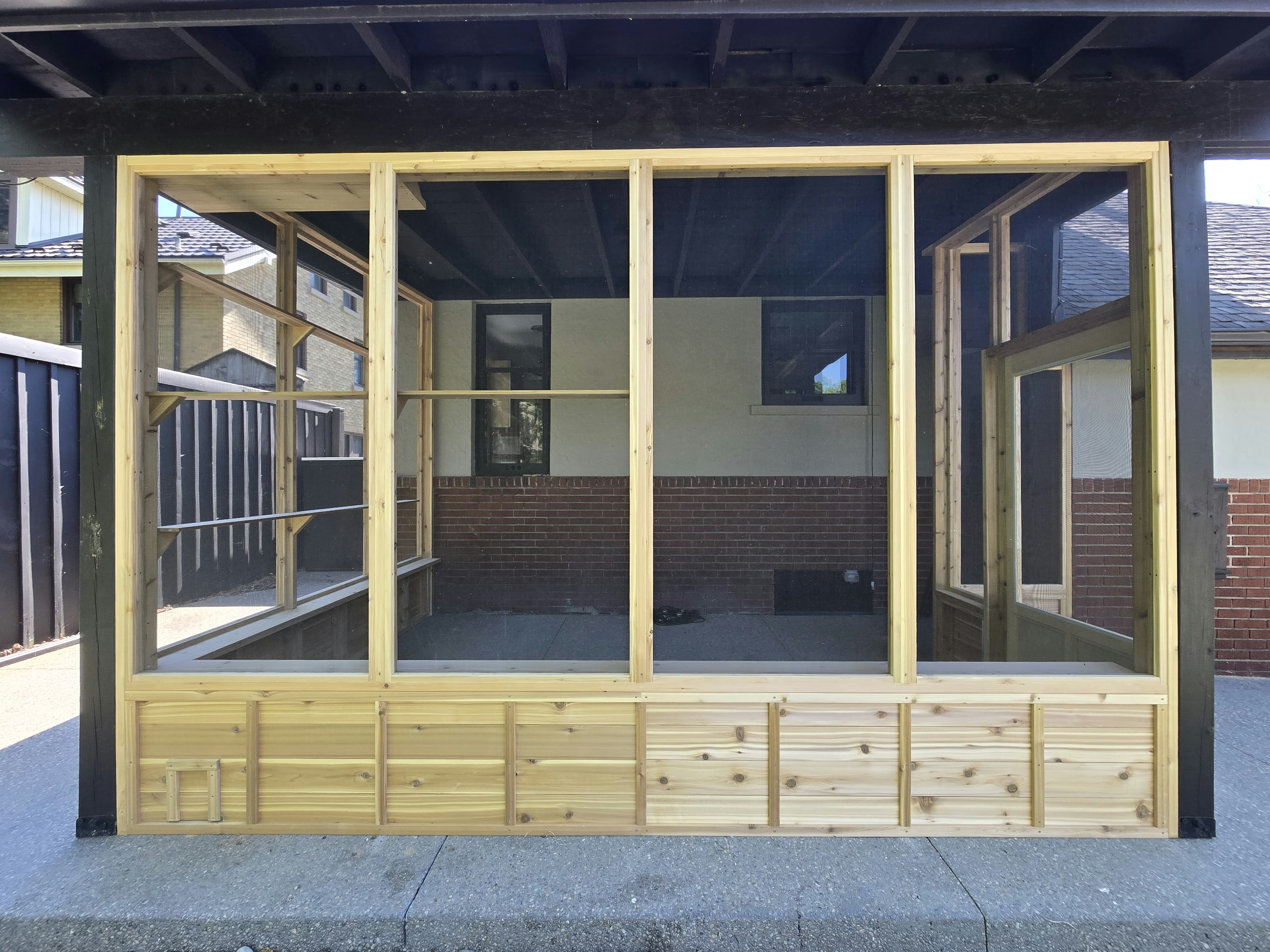
The build started by framing a 10×14 screened enclosure inside the footprint of the existing porch. The structure uses 6×6 pressure-treated posts anchored to the existing porch deck, a 2×6 beam across the top, and 2×4 wall framing with a 2-foot knee wall along the base. The knee wall is the structural anchor for the screen panels above and takes most of the lateral loading from wind and the occasional cat impact.
- Posts: 6×6 pressure-treated, concrete-anchored to the existing porch deck
- Beam: 2×6 spanning the top of the opening
- Wall framing: 2×4 studs with blocking, 2-ft knee wall with top plate
- Hardware: Post anchors, joist hangers, structural screws, and hold-downs throughout
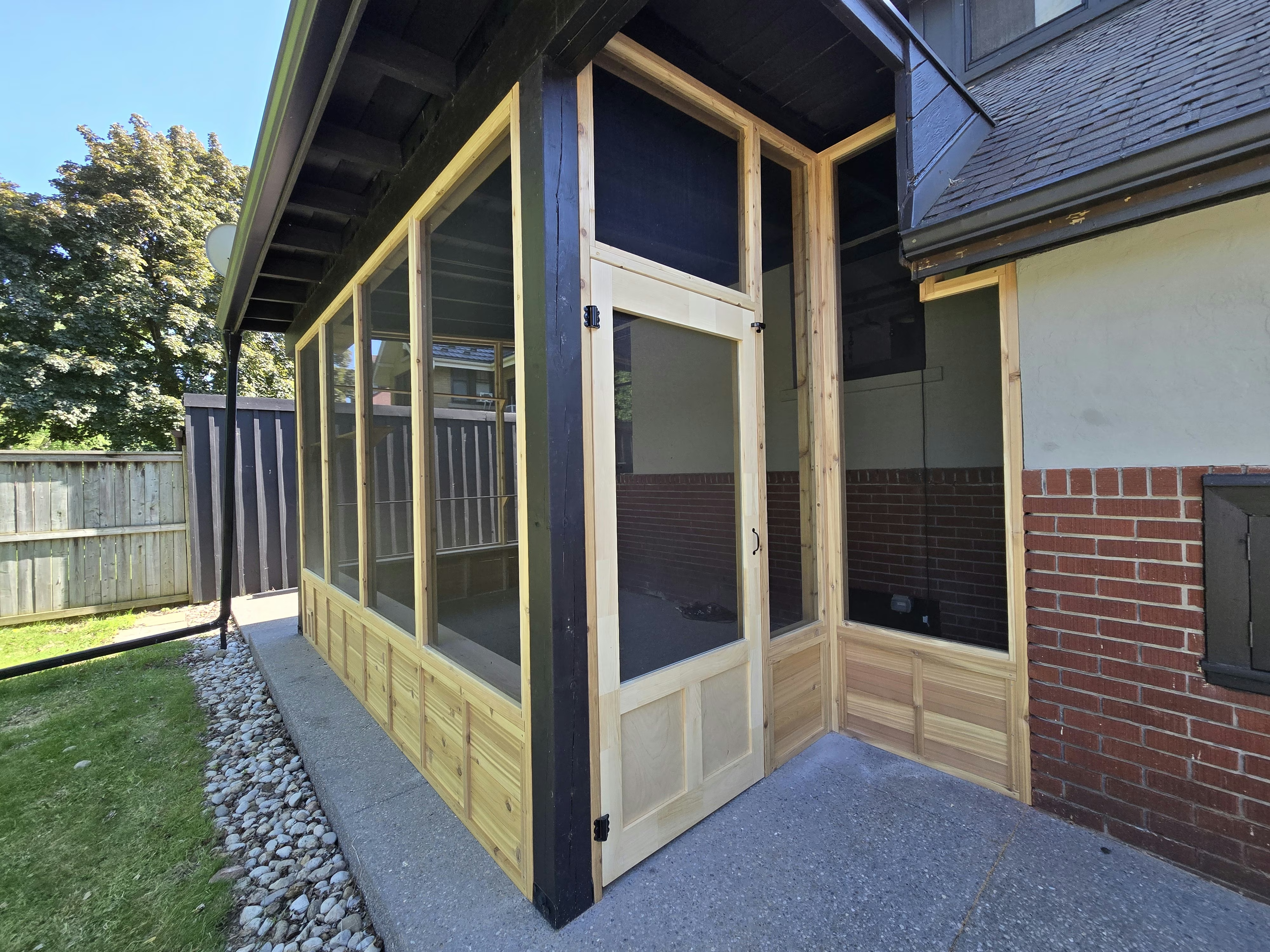
- Door rough-in: 32" opening framed and headed off in the front wall
Knee wall cladding
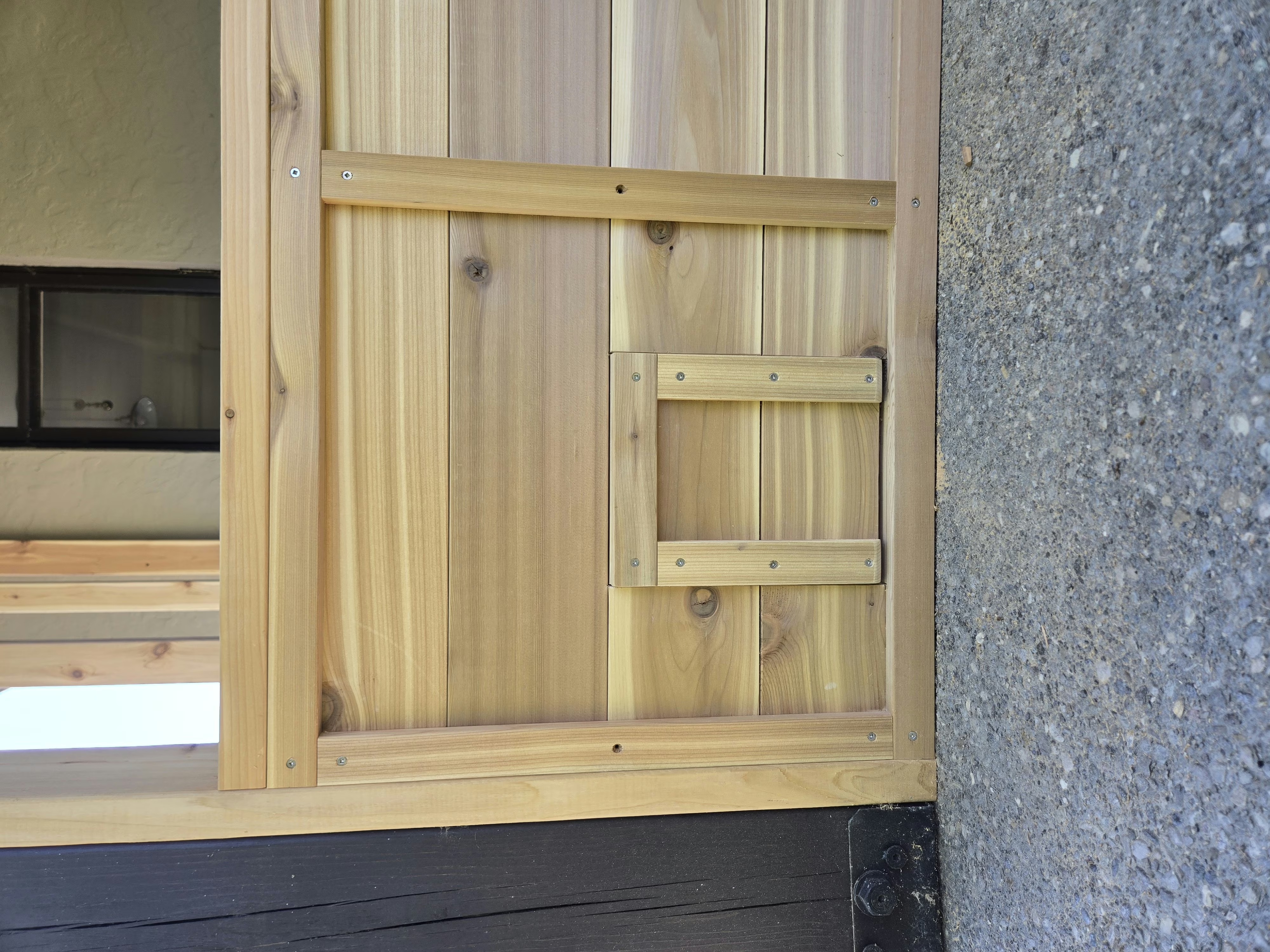
The knee wall faces are clad in cedar — horizontal shiplap fence boards run the full perimeter above the deck. Cedar was chosen for both durability in a wet, shaded environment and for the warmth it adds visually. The cut-in is clean: cap board along the top, interior and exterior trim at corners and transitions.
- ~100 SF of horizontal cedar shiplap on the knee wall perimeter
- Cap board and corner trim throughout
- Flashing repairs to an existing window opening — rotten wood removed, opening flashed and silicone-sealed at all corners to stop water ingress
Screening
Standard fibreglass insect screen isn't the right product for a cat enclosure. Cats claw at screen and will push through it if they want to. This build uses heavy-gauge metal insect screen — a woven metal mesh that's significantly stiffer and more resistant to deformation than fibreglass. It covers approximately 280 square feet of the enclosure above the knee wall, including the full perimeter walls and roof panels.
The screen is installed with a cleat and spline tensioning system that keeps the panels drum-tight and prevents sagging. Tight screen reads better visually and holds up better over time — a screen that sags is one that will eventually fail at a corner.
- Heavy-gauge woven metal screen mesh — cat-scratch resistant, ~280 SF
- Aluminum cleats and spline tensioning hardware at all panel edges
Door and window
The entry door is a 32" pre-hung pet-resistant screen/storm door — the same heavy-duty product category as the screen mesh, built to handle repeated use without the frame warping. A fixed screen panel above the door opening fills the gap to the top plate and keeps the visual line consistent across the front wall.
Cat features
Three built-in features were designed specifically for how cats actually use an outdoor space:
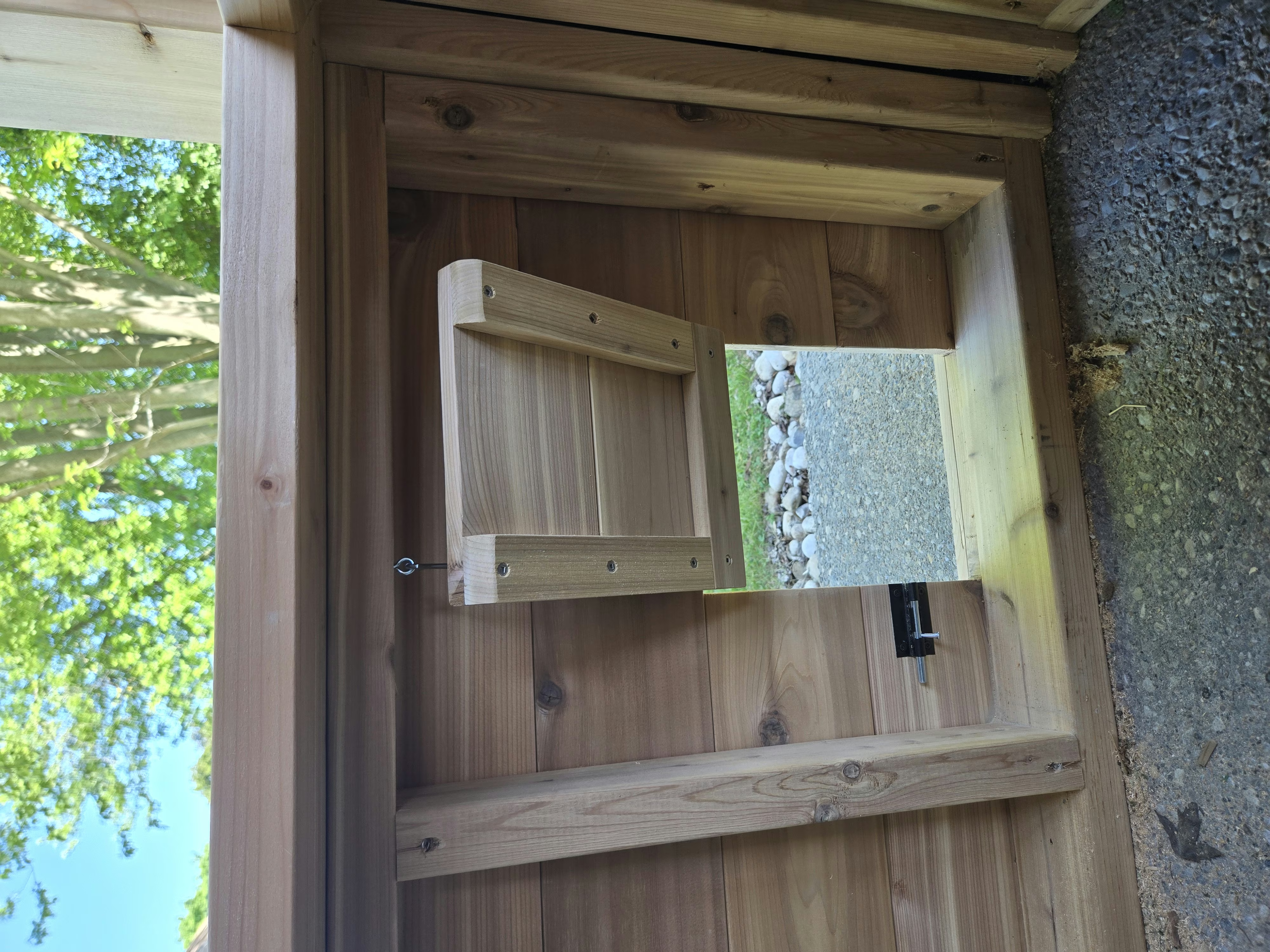
- Cat door: An exterior-rated cat flap installed through the knee wall, sized for standard cat access — the cats can move between the house and the porch independently
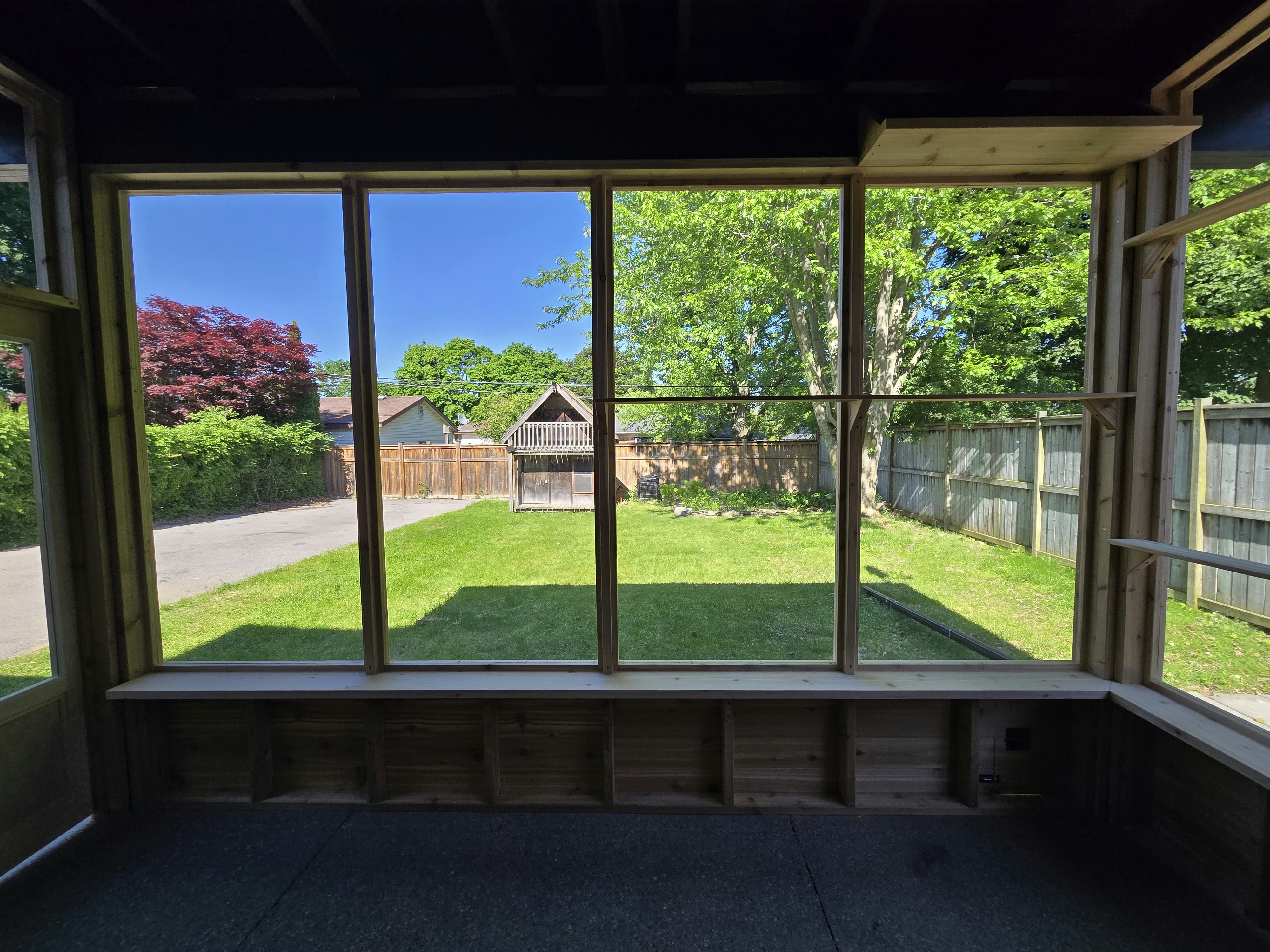
- Perimeter ledge shelf: 15"-wide cedar board running approximately 18 linear feet around the enclosure, yielding 8–10" of usable ledge after wall depth. Cats use ledge space the way humans use countertops — it's the primary surface for sitting and observing
- Multi-level perch platforms: 2–3 elevated cedar platforms at varying heights, giving the cats vertical territory inside the enclosure
Gutters
The existing gutter pitched toward the door side of the porch, which sent water straight across the entry path. We reversed the pitch, installed a new end cap, and redirected the downspout to the driveway side. A minor change with a significant quality-of-life improvement — the entry to the porch stays dry.
Building for cats means thinking about what they actually do: they climb, they perch, they observe from height, and they want to come and go on their own schedule. Get those things right and you have an enclosure the cats will actually use.


Project numbers
The project ran across eight working days from late May through early June 2026, coming in below the projected cost at completion. The work was done inside an existing covered porch, so the roof and outer framing were already in place — this kept the scope focused on the enclosure build itself without any roofing or foundation work.
If you're thinking about a screened porch enclosure, a cat run, or any outdoor structure in Paris or Brant County, start with a site visit. See also our additions and specialty structures page for the full range of what we build.